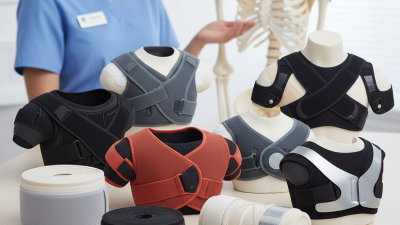
Global buyers are increasingly seeking Health recovery solutions that fit real clinical needs, not temporary marketing promises. These solutions may include rehabilitation equipment, remote monitoring tools, mobility aids, recovery programs, and professionally supervised wellness services. Each option should be assessed through clinical evidence, product quality, supplier experience, and transparent outcomes. A polished website is not enough.
Trust depends on details. Buyers need clear instructions, verified certifications, responsible data handling, and support after purchase. A rehabilitation device, for example, should arrive with understandable guidance, maintenance information, and access to qualified professionals. Delivery conditions also matter. Heat, humidity, customs procedures, and local healthcare standards can affect product safety and usability. Small gaps become expensive problems.
Local context changes recovery.
Effective Health recovery solutions should respect different languages, budgets, medical systems, and patient expectations. Suppliers with international experience can help buyers compare risks, warranties, training, and replacement services before committing. However, global availability does not guarantee clinical suitability. Some products may perform well in one setting but disappoint elsewhere. That limitation deserves honest discussion.
Reliable decision-making requires independent review and measurable goals. Buyers should ask how outcomes are monitored, who supervises care, and what happens when recovery slows. Personal experience can reveal practical weaknesses, yet it should not replace professional assessment. The strongest solutions combine tested technology, human support, and realistic follow-up. Recovery is rarely perfectly linear. A responsible provider acknowledges uncertainty and improves its approach when evidence or patient feedback exposes a weakness.
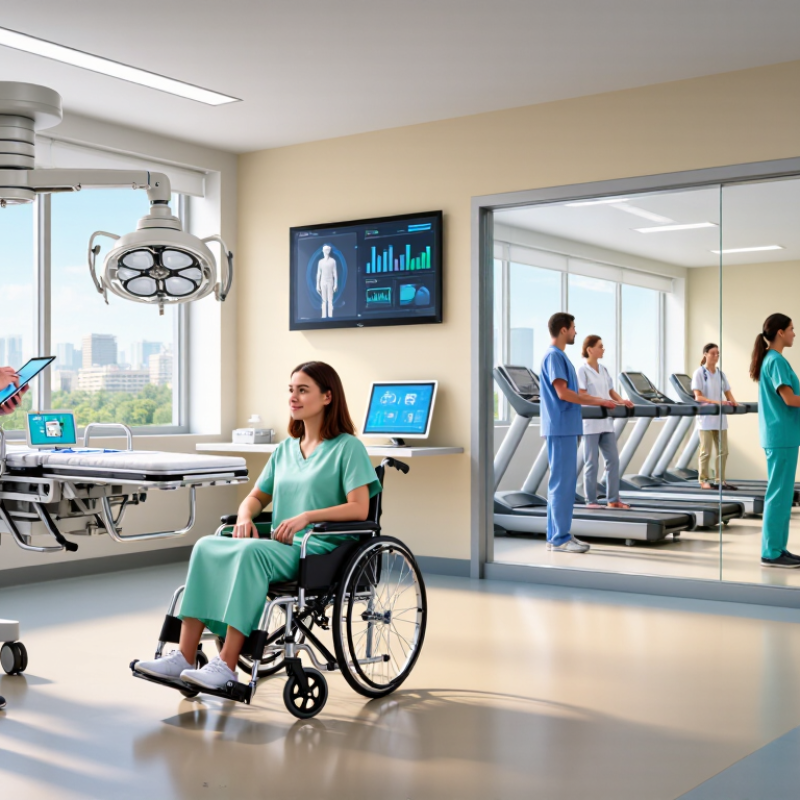
Health recovery solutions are coordinated services, technologies, and clinical processes that help people regain function after illness, injury, or surgery. Their scope includes rehabilitation, remote patient monitoring, telehealth, digital therapy, assistive devices, care coordination, and post-discharge support. These solutions may serve hospitals, clinics, insurers, employers, and public health programs.
The World Health Organization’s Global Strategy on Digital Health 2020–2025 includes telemedicine, health information systems, artificial intelligence, and mobile health within digital health. Its 2022 global survey reported that 120 member states had developed national digital health strategies. The WHO also reported in 2023 that about 1.28 billion adults aged 30–79 live with hypertension. This strengthens the need for reliable home monitoring and long-term follow-up. Yet access, language, reimbursement, and clinical staffing differ sharply across markets. One model cannot fit everyone.
Tips: Global buyers should verify clinical evidence, data security, device accuracy, training requirements, and local regulatory acceptance. Ask whether a solution works with low bandwidth and older smartphones. Check escalation procedures when readings become abnormal. Procurement teams should measure recovery time, adherence, readmissions, and patient-reported outcomes. These indicators matter more than impressive software demonstrations. A practical pilot may reveal hidden costs. That is not failure; it is useful evidence. WHO guidance should inform decisions, but local clinicians and patients must test the assumptions.
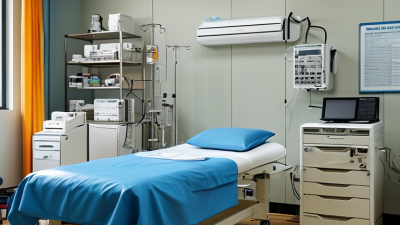
Global buyers need recovery solutions that work beyond a product catalogue. The right choice may combine equipment, clinical guidance, and dependable after-sales service. Common products include rehabilitation bands, adjustable walkers, therapy tables, compression garments, and home monitoring devices. Each item should match the user’s condition, care setting, and local professional practice. A low-cost device can become expensive when instructions are unclear or replacement parts are unavailable.
Good purchasing decisions begin with evidence. Suppliers should provide material details, safety testing, usage limits, cleaning instructions, and traceable quality records. Buyers can request feedback from clinics or distributors that have tested similar products. Services matter as much as products. Tele-rehabilitation can support supervised exercises when travel is difficult, while home-care teams can assist with mobility and routine recovery tasks. Training should use plain language and translated instructions when needed.
Maintenance plans, calibration checks, and responsive technical support reduce interruptions after delivery. Practical experience shows that promising equipment can underperform when staff lack hands-on training. That weakness is easy to overlook. Global buyers should also check import rules, electrical requirements, data protection duties, and professional licensing in the destination market. Not every solution fits every community. Reviewing accessibility, climate, transport, and household space can prevent waste. Even careful buyers may revise specifications after real users test the solution.
Global buyers of health recovery solutions should evaluate evidence before appearance. A polished package cannot prove clinical safety. The World Health Organization’s Global Patient Safety Report 2024 estimates that one in ten patients experiences harm during healthcare. More than half of this harm is considered preventable. That figure makes supplier verification essential, not optional.
Quality checks should begin with intended use, measurable outcomes, and independent testing. Buyers can request clinical evaluation files, material specifications, batch records, and complaint histories. For infection-sensitive products, the WHO Global Report on Infection Prevention and Control reports healthcare-associated infections affecting about 7 in 100 acute-care patients in high-income countries. The estimate rises to 15 in 100 in low- and middle-income countries. Sterilization evidence, packaging integrity, and clear reprocessing instructions deserve close attention. Small details matter.
I would also examine traceability from factory to delivery. Each batch should have a visible identifier, production date, storage limits, and a documented recall process. Temperature-sensitive products need monitored transport, not handwritten promises. Certifications help, but they are not the final answer. A certificate may be valid while user instructions remain confusing. That weakness is easy to overlook. Buyers should test the product with real clinicians and patients, record failures, and ask suppliers how quickly they respond. WHO’s data supports a cautious approach: safety depends on systems, training, reporting, and continuous review, not one impressive document.
A practical evaluation framework for medical devices, rehabilitation equipment, digital recovery tools, and related health products
| Evaluation Dimension | What Buyers Check | Relevant International Reference | Objective Evidence Required | Typical Buyer Acceptance Indicator | Risk if Evidence Is Missing |
|---|---|---|---|---|---|
| Regulatory Classification | Whether the product is correctly classified as a medical device, wellness product, medicine, supplement, or service in the target market. | Applicable national medical-device and health-product regulations; IMDRF classification principles where relevant. | Product classification rationale, intended-use statement, registration or market-access documentation, and labeling review. | Classification and intended use are consistent with the destination market’s legal requirements. | Import delays, rejected registration, inappropriate claims, or regulatory enforcement. |
| Quality Management | The maturity and consistency of the supplier’s design, manufacturing, complaint, and corrective-action processes. | ISO 13485:2016 for quality management systems for medical devices. | Valid certification from an accredited conformity-assessment body, audit scope, controlled procedures, and corrective-action records. | Certificate scope covers the relevant product category and manufacturing location. | Batch inconsistency, weak traceability, uncontrolled changes, and higher recall exposure. |
| Risk Management | How foreseeable hazards, misuse, software risks, and residual risks are identified and controlled throughout the product life cycle. | ISO 14971:2019 for application of risk management to medical devices. | Risk-management file, hazard analysis, benefit-risk assessment, verification of controls, and post-market monitoring plan. | Every significant hazard has a documented control and verification result. | Unrecognized patient harm, unsafe use conditions, and ineffective corrective actions. |
| Electrical and Mechanical Safety | Protection against electric shock, excessive temperature, mechanical injury, instability, and foreseeable abnormal operation. | IEC 60601-1 for basic safety and essential performance of medical electrical equipment, where applicable. | Recognized laboratory test reports, electrical safety results, mechanical testing, and essential-performance verification. | Test configuration matches the supplied model, accessories, power system, and intended use. | Electrical injury, equipment failure, unsafe operation, or rejected technical documentation. |
| Biocompatibility | Whether materials that contact the body are suitable for the type and duration of contact. | ISO 10993 series for biological evaluation of medical devices. | Biological evaluation plan, material specifications, chemical characterization, and applicable biological test reports. | Evaluation reflects actual patient-contact materials, contact duration, and sterilization method. | Skin irritation, sensitization, toxicity, or inadequate justification for patient contact. |
| Usability and Human Factors | Whether patients, caregivers, and clinicians can use the solution correctly under normal and foreseeable conditions. | IEC 62366-1 for usability engineering of medical devices. | Use specification, user profiles, use-related risk analysis, formative evaluations, and summative usability testing. | Critical tasks are completed without unacceptable use errors by representative users. | Incorrect therapy settings, poor adherence, avoidable injury, and increased support costs. |
| Clinical Evidence | Whether recovery-related performance and safety claims are supported by relevant clinical data. | Applicable national clinical-evaluation rules; ISO 14155:2020 for good clinical practice in medical-device investigations where applicable. | Clinical evaluation report, peer-reviewed evidence, investigation protocol, endpoints, adverse-event data, and population definition. | Evidence matches the intended population, intervention, outcome, and claimed recovery benefit. | Unsubstantiated claims, low adoption by clinicians, and potential regulatory action. |
| Software and Cybersecurity | Protection of connected recovery platforms, patient data, software updates, and system availability. | IEC 62304 for medical-device software life-cycle processes; ISO 14971 for software-related risks; applicable privacy laws. | Software life-cycle file, threat model, vulnerability-management process, access controls, update policy, and penetration-test summary. | Known vulnerabilities are tracked, security updates are controlled, and access is limited by user role. | Data breach, therapy interruption, unauthorized access, or loss of buyer confidence. |
| Labeling and Instructions | Clarity of indications, contraindications, warnings, operating instructions, maintenance, and storage conditions. | ISO 15223-1 for symbols used with medical-device information; ISO 20417 for information supplied by the manufacturer. | Approved labels, instructions for use, translated versions, readability review, and consistency with technical files. | Instructions are accurate, locally understandable, and consistent with the authorized intended use. | Misuse, delayed treatment, user complaints, and non-compliant market claims. |
| Sterilization and Infection Control | Whether reusable or sterile products can be safely cleaned, disinfected, sterilized, packaged, and stored. | ISO 17665 for moist-heat sterilization; ISO 11135 for ethylene-oxide sterilization; ISO 11607 for packaging of terminally sterilized devices, where applicable. | Validated sterilization cycle, packaging validation, reprocessing instructions, shelf-life data, and microbial-barrier evidence. | Validated processes cover the exact product configuration and stated shelf life. | Infection transmission, sterile-barrier failure, and unsafe reuse. |
| Supply Continuity | The supplier’s ability to maintain consistent quality, lead times, spare parts, and technical support across borders. | ISO 13485 supplier-control principles; documented business-continuity and change-control practices. | Approved supplier list, dual-source assessment, capacity plan, change-notification procedure, service-level terms, and traceability records. | Critical components and service capabilities have documented contingency plans. | Stockouts, therapy interruption, unapproved substitutions, and higher total ownership cost. |
| Post-Market Surveillance | How complaints, adverse events, field issues, recalls, and corrective actions are monitored after sale. | Applicable vigilance and post-market-surveillance requirements in the destination market; ISO 13485 and ISO 14971 processes. | Complaint procedure, trend reports, incident-escalation process, recall plan, and corrective-action effectiveness checks. | Issues are logged, investigated, escalated, and closed within defined timeframes. | Slow detection of safety signals and wider impact from preventable failures. |
| Total Cost and Value | The complete economic impact, including purchase price, training, consumables, maintenance, software, logistics, and disposal. | Buyer-specific procurement policy, lifecycle-cost analysis, and applicable sustainability or waste requirements. | Five-year total-cost model, warranty terms, maintenance schedule, expected consumable use, training plan, and disposal requirements. | Clinical benefit, safety, uptime, and operating cost are evaluated together rather than by price alone. | Low initial price but higher service costs, downtime, replacement expense, or poor clinical value. |
Buyer decision principle: A health recovery solution should be assessed using a documented combination of regulatory compliance, safety evidence, clinical relevance, usability, cybersecurity, supply continuity, and lifecycle value. Certification alone does not replace product-specific technical, clinical, and post-market evidence.
Reference basis: ISO 13485:2016, ISO 14971:2019, IEC 60601-1, IEC 62304, IEC 62366-1, ISO 10993 series, ISO 14155:2020, ISO 15223-1, ISO 20417, ISO 17665, ISO 11135, and ISO 11607. Applicability depends on product type, intended use, and destination-market requirements.
Global buyers seeking health recovery solutions need more than a low purchase price. They need traceable sourcing, documented quality, and delivery plans that survive border delays.
The World Health Organization reports that one in ten patients experiences harm in healthcare, with more than half considered preventable. That figure makes supplier verification a practical duty, not paperwork.
A reliable sourcing process begins with a technical specification, risk assessment, and batch-level traceability. Buyers should review manufacturing records, test results, calibration evidence, and quality-system controls such as ISO 13485, where relevant. Compliance must match the destination market. Product classification, labeling, import registration, and language rules can differ sharply between countries. A certificate alone is not enough. It may be current, but the product file could still be incomplete.
Delivery also needs engineering. The World Bank’s 2023 Logistics Performance Index highlights major differences in customs efficiency, infrastructure, and shipment reliability across markets. Buyers should define Incoterms, inspection points, document ownership, and contingency stock before production begins. Temperature-sensitive goods need validated packaging and recorded monitoring. A spreadsheet can look complete and still hide weak assumptions. No supplier file is perfect. Experienced teams revisit approval records, forecast accuracy, and transport risks after every shipment, then adjust the next order.
Global buyers need more than a low purchase price when selecting health recovery solutions. The right choice should match patient needs, clinical goals, local regulations, and available staff. Ask for peer-reviewed evidence, test reports, and clearly defined outcome measures. Do not accept vague claims such as “faster recovery” without supporting data. What improves mobility in one setting may not suit older adults, rural clinics, or home users. Fit matters.
Check who supervises the solution and how users are trained. Qualified clinicians should explain intended use, contraindications, maintenance, and escalation procedures. Request product documentation in the local language when possible. Review data protection practices before connecting any app, sensor, or remote service. Confirm supplier support, replacement parts, response times, and clinician access across time zones. Hidden delays can disrupt care. Ask for references from comparable facilities, not polished testimonials.
A controlled pilot is often safer than a large first order. Track adherence, adverse events, staff workload, patient feedback, and real costs. Include shipping, customs, calibration, training, and disposal. Numbers can disappoint. That is useful. A pilot may reveal that a simple, repairable option works better than a complex system. Buyers should record why a solution was chosen and revisit that decision after several months. No checklist is perfect, and local clinical judgment must remain central.
Nexia Medical
2255 Glades Rd
Boca Raton, FL 33431
Copyright 2017 Nexia Medical | All Right Reserved.