Top Medical Support Devices for Global Buyers to Consider?
The demand for medical support devices continues to rise, driven by an aging population and increasing health awareness. According to a recent report from Grand View Research, the global medical device market is projected to reach $612 billion by 2025. Medical support devices play a crucial role in this sector, encompassing a range of products from wheelchairs to advanced prosthetics.
Investments in innovative medical support devices enhance patient care and promote independence for individuals with disabilities. Products such as smart wheelchairs and exoskeletons are transforming the quality of life for many. However, challenges remain in ensuring equitable access to these technologies across different regions. Data from the World Health Organization indicates that 1 billion people require assistive devices but lack access to them.
As global buyers plan their strategies, understanding the intricacies of the medical support device market is essential. Evaluating the latest trends and technologies can help professionals make informed purchasing decisions. Prioritizing reliable sources and verified data will be key in navigating this complex landscape, ultimately leading to better patient outcomes.
Overview of Medical Support Devices for Global Markets
Medical support devices play a crucial role in modern healthcare. In global markets, their demand is steadily increasing. According to a recent industry report, the global market for orthopedic devices alone is expected to reach $47 billion by 2027. This signals a significant opportunity for international buyers. Various new technologies are emerging, particularly in telemedicine and remote monitoring.
Investing in these devices can enhance patient outcomes. Wearable monitors for chronic disease management are becoming more prominent. A study from the World Health Organization indicated that remote monitoring can reduce hospital admissions by up to 25%. Employers in healthcare might explore partnerships with innovative suppliers to keep pace with advancements.
Consider these factors when evaluating devices for purchase. Look for products that comply with international health regulations. Quality certifications often reflect a device's reliability and effectiveness. Engaging with professional organisations or attending industry conferences can provide valuable insights. Stay updated on user feedback to identify potential shortcomings. Ongoing learning and adaptation are essential in this rapidly evolving field.
Key Features to Evaluate in Medical Support Devices
When evaluating medical support devices, several key features come into play. Functionality is crucial. Devices should meet specific medical needs, such as mobility assistance or respiratory support. Consider ease of use. A device that is complicated can lead to errors in handling, especially in emergencies. Design plays a role too. A user-friendly interface enhances interaction and reduces frustration.
Durability is another vital aspect. Medical devices endure significant wear and tear. Ensuring a device's longevity is essential for consistent performance. Compliance with safety standards also matters. This offers assurance that the device meets regulatory requirements and benefits patients’ care.
A reliable support device must be adaptable. It should accommodate various patient needs. Flexibility increases its usability across different scenarios. Lastly, accessibility cannot be overlooked. Devices should be affordable and available to a broad audience. There’s always room for improvement. Manufacturers must regularly gather user feedback and iterate on designs. The ideal medical device blends innovation, practicality, and compassion.
Leading Medical Support Devices Recommended for Buyers
In today's healthcare landscape, various medical support devices are pivotal for enhancing patient care. The global market for these devices is projected to expand significantly, growing at a compound annual growth rate (CAGR) of 8.6% from 2021 to 2028. This growth underscores the increasing emphasis on patient-centered solutions and advanced technologies in healthcare.
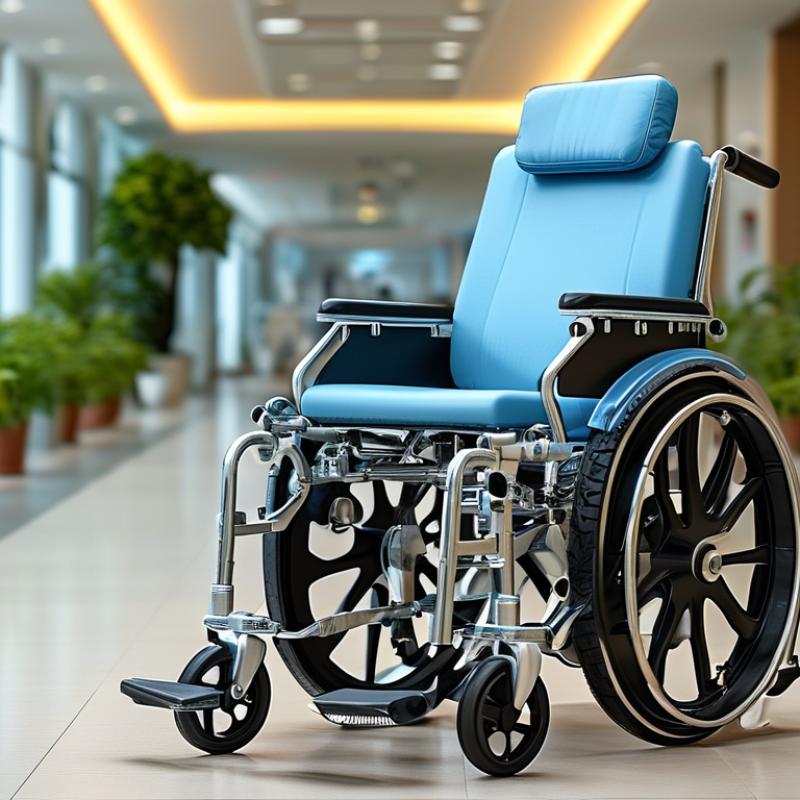
One leading device category is mobility aids. These devices, including wheelchairs, walking aids, and prosthetics, empower patients with mobility challenges. An industry report highlights that nearly 20% of adults aged 65 and older experience mobility limitations. This demographic shift drives demand for innovative mobility solutions that can significantly improve quality of life.
Another critical area is respiratory support devices. With respiratory diseases on the rise, the need for products such as nebulizers and oxygen concentrators is more pressing than ever. A report suggests that around 300 million people globally suffer from asthma, indicating a substantial market for effective respiratory devices. However, while advancements are promising, disparities in access to these technologies persist, warranting attention from stakeholders in the healthcare sector.
Market Trends and Innovations in Medical Support Technology
The landscape of medical support technology is evolving rapidly. Innovations in devices aim to enhance patient care and improve outcomes. One significant trend is the use of telemedicine tools. These devices allow patients to receive remote consultations, making healthcare more accessible. They offer convenience for individuals with mobility challenges. However, not all patients find technology easy to navigate, which can hinder effective use.
Wearable health monitors are gaining popularity. These devices track vital signs like heart rate and glucose levels. They empower patients to take control of their health, promoting proactive care. Yet, the reliability of these devices can vary. Patients may receive conflicting data, leading to confusion. Providers must ensure that users understand how to interpret their metrics correctly.
Artificial intelligence is changing diagnostic tools. AI assists in analyzing medical images and predicting patient outcomes. The accuracy of these technologies could revolutionize early diagnosis. Nonetheless, reliance on algorithms poses risks. Misdiagnoses can occur if the technology is not thoroughly vetted. Therefore, ongoing evaluation of these innovations is essential for safe and effective use in clinical settings.
Top Medical Support Devices for Global Buyers to Consider
| Device Type |
Market Growth Rate (%) |
Key Innovations |
Region of Demand |
Average Cost (USD) |
| Wearable Health Monitors |
15 |
Real-time data tracking, Telehealth integration |
North America, Europe |
150 |
| Mobility Aids |
10 |
Smart walkers, Adjustable height |
Asia Pacific, Europe |
200 |
| Continuous Positive Airway Pressure (CPAP) Devices |
12 |
Auto-adjusting pressure, Smart connectivity |
North America, Middle East |
800 |
| Patient Monitoring Systems |
18 |
Remote monitoring, AI analytics |
Global |
1200 |
| Rehabilitation Robots |
20 |
AI-driven therapies, Customizable programs |
Europe, North America |
5000 |
Considerations for Importing Medical Support Devices Internationally
When importing medical support devices internationally, several key factors must be considered. Regulatory compliance is crucial. Familiarize yourself with the target country's medical device regulations. Each country has its own set of standards. Ensure that the devices meet safety and efficacy requirements. This can minimize risks during sales and improve customer trust.
Quality assurance plays a significant role in the importing process. Evaluate the manufacturer's quality control processes. Poor quality can lead to device failures, impacting patient safety. It's essential to verify that devices come with proper certifications. This helps ensure that they meet international standards.
Shipping logistics cannot be overlooked. Plan for potential delays, customs challenges, and costs associated with importation. These factors can impact your timeline and profit margins. Keeping open communication with suppliers can help alleviate some of these issues. Always be prepared for unexpected hurdles in the import process. Careful planning allows for smoother transactions and less headache in the long run.