Patients: Please fill out the Form and Nexia will inform you whether your insurance will cover all or part of your brace.
Physician's Offices: Please call 888.670.3380 for special Wholesale Pricing for all braces.

China Top 10 Health Recovery Solutions Manufacturers?

China’s health recovery market is expanding beyond hospitals and fitness centers. It now includes rehabilitation equipment, physiotherapy devices, compression systems, recovery furniture, sleep-support products, and digital monitoring tools. The Global Wellness Institute reported that the global wellness economy reached approximately US$6.3 trillion in 2023. It also projects continued growth through 2028. China’s aging population adds further demand. According to China’s National Bureau of Statistics, people aged 60 and above exceeded 310 million by the end of 2024.

This article examines China’s Top 10 Health Recovery Solutions Manufacturers through a practical and evidence-focused lens. The selection should consider product quality, manufacturing capability, clinical cooperation, export experience, certifications, and after-sales support. ISO 13485 systems, NMPA registration where applicable, and transparent testing records can strengthen supplier credibility. Yet certification alone does not prove real-world effectiveness. Buyer feedback, maintenance response, user training, and long-term durability also matter.

The World Health Organization’s Rehabilitation 2030 initiative highlights the growing global need for accessible rehabilitation services. That need influences how manufacturers develop safer, more comfortable, and easier-to-use solutions. Some companies excel in hospital-grade equipment. Others focus on home recovery or sports applications. The boundaries remain unclear.

A ranking can mislead.

Therefore, this overview should be read as a starting point, not a final purchasing decision. Each manufacturer deserves independent verification, especially when claims involve recovery speed, pain reduction, or therapeutic outcomes. The strongest Health recovery solutions providers combine engineering discipline, documented compliance, practical usability, and responsible communication. Their products should support professional care rather than replace medical advice.
China Top 10 Health Recovery Solutions Manufacturers?

Definition and Scope of Health Recovery Solutions Manufacturers in China

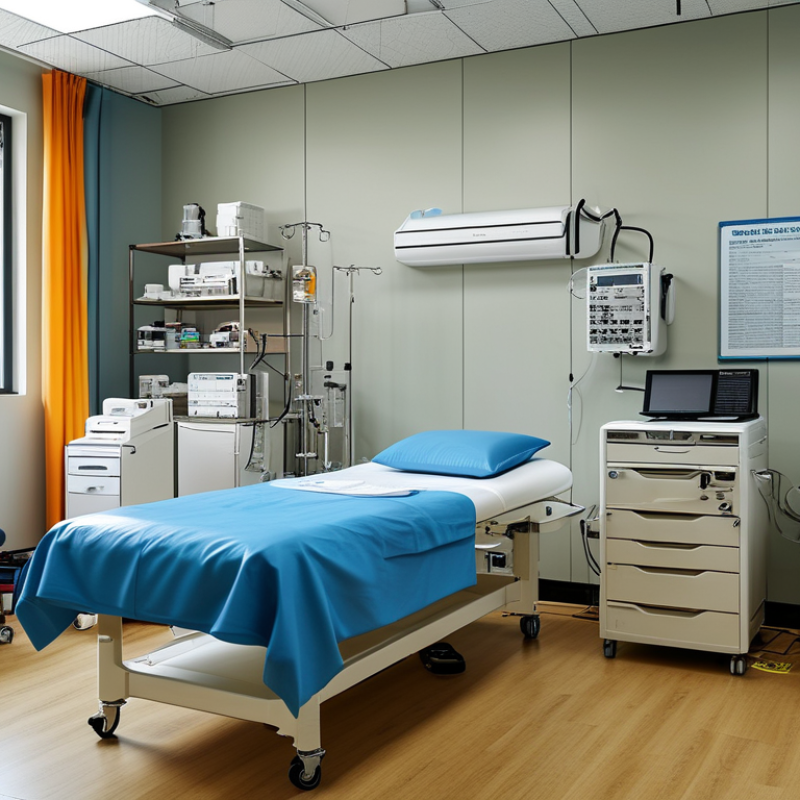
Health recovery solutions manufacturers in China are companies that design, produce, test, and support products used during rehabilitation and recovery. Their scope may include physiotherapy equipment, mobility aids, respiratory support devices, home-care tools, monitoring systems, and rehabilitation software. It can also cover complete recovery spaces, such as therapy rooms with integrated equipment, training systems, and data services.

The category is not perfectly uniform. Some factories make core hardware, while others provide private-label production or system integration. A serious manufacturer should explain its production location, quality controls, testing process, and after-sales support.

Buyers often review sample reports, material records, calibration procedures, and product traceability before cooperation. Small details matter, such as stable handrails, readable control panels, washable surfaces, and reliable emergency stops.

Not every recovery product is a medical device. Its classification depends on intended use, design, claims, and applicable regulations. Manufacturers should therefore provide accurate technical files, risk assessments, electrical safety evidence, and relevant conformity documents. Clinical usefulness also deserves careful attention. A polished interface does not prove better patient outcomes. In practice, hospitals and care facilities may need staff training, installation guidance, maintenance plans, and replacement parts. Some supplier directories blur these differences. That makes independent verification necessary. Experiences from actual users can reveal weaknesses that factory brochures rarely mention.

Key Product Categories and Recovery Technologies

China Top 10 Health Recovery Solutions Manufacturers?
Key Product Categories and Recovery Technologies

China’s leading recovery-solution manufacturers cover several practical categories. These include rehabilitation equipment, electrotherapy units, therapeutic ultrasound systems, compression devices, cryotherapy products, and smart monitoring tools. Hydrotherapy and robotic-assisted rehabilitation are also expanding. The market is becoming more technical.

The World Health Organization reports that about 1.71 billion people live with musculoskeletal conditions worldwide. This demand supports investment in safer, measurable recovery technologies. Grand View Research valued the global physical therapy equipment market at over 20 billion US dollars in 2023, with continued growth expected through 2030. However, market size does not prove clinical value. That distinction matters.

Top manufacturers should be assessed through product testing, clinical cooperation, quality management, and after-sales training. Key technologies include adjustable electrical stimulation, temperature-controlled recovery, pneumatic compression, motion sensors, and cloud-based rehabilitation records. In factories, details matter: stable electrode contact, accurate pressure readings, washable surfaces, and clear user instructions. Small defects can reduce patient trust.

Wearable sensors may improve progress tracking, but data accuracy still varies between users. Artificial intelligence can support personalized programs, yet it should not replace trained clinical judgment. Reports from MarketsandMarkets identify connected healthcare and remote monitoring as major growth areas. The evidence is promising, not perfect. A reliable supplier therefore needs transparent validation, responsive maintenance, and realistic performance claims rather than impressive specifications alone.

China Top 10 Health Recovery Solutions Manufacturers? - Key Product Categories and Recovery Technologies

The entries below are anonymized manufacturer profiles organized by major product categories commonly produced in China. The table is a technology and category comparison, not a verified company ranking. Technical parameters vary by model and require product-specific validation.

Profile Primary Product Category Core Recovery Technology Typical Product Formats Common Recovery Applications Key Technical Parameters Relevant Standards and Compliance Areas Typical Buyer Segments
Profile 01 Therapeutic Ultrasound Equipment Acoustic energy delivered through a treatment head to support physiotherapy protocols. Portable units Clinic consoles Combination therapy systems Soft-tissue rehabilitation, muscle discomfort management, joint-support therapy, and physiotherapy treatment plans. Operating frequency selection, treatment intensity, duty cycle, treatment timer, applicator size, and contact detection. IEC 60601-1 electrical safety, IEC 60601-1-2 electromagnetic compatibility, ISO 14971 risk management, and applicable medical-device registration requirements. Physiotherapy clinics, rehabilitation hospitals, sports medicine centers, and distributors.
Profile 02 TENS and EMS Electrical Stimulation Devices Controlled pulsed electrical stimulation delivered through surface electrodes. TENS units EMS stimulators Wearable stimulators Temporary pain-management programs, muscle activation, post-exercise recovery, and selected rehabilitation exercises. Pulse frequency, pulse width, waveform, output amplitude, channel count, ramp control, and treatment duration. IEC 60601-1, IEC 60601-1-2, IEC 60601-2-10 for nerve and muscle stimulators, ISO 10993 for patient-contacting materials, and ISO 14971. Home-care suppliers, rehabilitation clinics, sports recovery providers, and private-label medical-device importers.
Profile 03 Continuous Passive Motion Systems Motorized, repetitive joint movement within a clinician-set range of motion. Knee CPM systems Hip units Shoulder systems Post-operative orthopedic rehabilitation, joint mobility support, and supervised range-of-motion programs. Adjustable flexion and extension limits, movement speed, pause control, limb-length adjustment, and patient safety stop. IEC 60601-1, IEC 60601-1-2, ISO 14971, biocompatibility assessment for patient-contacting surfaces, and applicable orthopedic-device regulations. Orthopedic hospitals, rehabilitation centers, post-surgical rental providers, and home-recovery distributors.
Profile 04 Pneumatic Compression Recovery Systems Sequential or intermittent air compression applied through multi-chamber garments. Leg compression systems Arm sleeves Foot cuffs Supportive circulation-management programs, limb swelling management under clinical guidance, and post-exercise recovery routines. Chamber sequence, pressure range, inflation and deflation cycle, garment size, number of chambers, and treatment timer. IEC 60601-1, IEC 60601-1-2, ISO 14971, textile and skin-contact material testing, and clinical-use labeling requirements. Rehabilitation hospitals, sports recovery facilities, wellness centers, home-care channels, and medical distributors.
Profile 05 Cryotherapy and Cold-Compression Equipment Controlled cooling, often combined with localized compression, for short-duration recovery protocols. Cold therapy units Cold-compression wraps Reusable therapy packs Post-exercise cooling, post-operative support, sports injury care, and localized swelling-management protocols. Cooling method, temperature-control range, compression setting, reservoir capacity, wrap design, and operating duration. IEC 60601-1 where powered medical equipment is applicable, ISO 14971, skin-contact material safety, leakage protection, and product-specific labeling controls. Sports medicine clinics, orthopedic practices, physiotherapy centers, athletic organizations, and home-care retailers.
Profile 06 Photobiomodulation Equipment Non-ionizing red or near-infrared light delivered through LEDs or laser diodes. LED panels Flexible light pads Handheld probes Adjunctive physiotherapy, localized tissue-support protocols, sports recovery programs, and wellness applications. Wavelength, irradiance, energy density, treatment area, pulse mode, thermal management, and eye-safety controls. IEC 60601-1, IEC 60601-1-2, IEC 62471 photobiological safety for lamps where applicable, IEC 60825-1 for laser products, and ISO 14971. Physiotherapy clinics, aesthetic and wellness facilities, sports recovery centers, and specialty distributors.
Profile 07 Pulsed Electromagnetic Field Systems Time-varying electromagnetic fields generated by coils or applicators. Localized applicators Mat systems Portable controllers Adjunctive rehabilitation programs, physiotherapy use, and selected bone or tissue-support applications subject to local authorization. Field strength, pulse frequency, waveform, applicator configuration, treatment duration, and thermal output. IEC 60601-1, IEC 60601-1-2, ISO 14971, electromagnetic exposure assessment, and product-specific clinical and regulatory requirements. Rehabilitation facilities, specialty clinics, sports recovery providers, and medical-device distributors.
Profile 08 Respiratory Rehabilitation Devices Guided breathing, positive expiratory pressure, incentive feedback, or controlled respiratory resistance. Incentive spirometers PEP devices Breathing trainers Breathing exercises, pulmonary rehabilitation, post-operative respiratory training, and secretion-clearance support. Inspiratory volume indicators, expiratory resistance, flow range, pressure feedback, filter compatibility, and single-patient consumables. ISO 26782 for respiratory therapy equipment where applicable, ISO 14971, biocompatibility requirements, infection-control design, and relevant local medical-device rules. Hospitals, pulmonary rehabilitation centers, respiratory-care distributors, home-care providers, and institutional buyers.
Profile 09 Hydrotherapy and Aquatic Rehabilitation Equipment Buoyancy, water resistance, controlled temperature, and aquatic exercise environments. Rehabilitation pools Underwater treadmills Therapy tanks Low-impact mobility training, balance exercises, musculoskeletal rehabilitation, and post-injury conditioning. Water temperature, depth adjustment, water circulation, filtration, access systems, treadmill speed, and user load capacity. Electrical safety standards for powered equipment, water-treatment and sanitation requirements, slip-resistance assessment, accessibility codes, and facility safety regulations. Rehabilitation hospitals, sports medicine facilities, wellness resorts, physiotherapy centers, and institutional construction projects.
Profile 10 Mobility and Functional Rehabilitation Systems Progressive exercise, balance training, gait assistance, and task-oriented functional recovery. Parallel bars Gait trainers Balance platforms Rehabilitation frames Gait retraining, balance improvement, lower-limb strengthening, neurological rehabilitation, and functional independence training. Load capacity, height adjustment, handrail width, platform stability, sensor feedback, walking-speed control, and fall-prevention features. ISO 11199 for walking aids where applicable, ISO 14971 for powered or instrumented systems, accessibility requirements, mechanical safety testing, and local medical-device rules. Rehabilitation hospitals, elderly-care facilities, neurological clinics, community therapy centers, and home-care suppliers.

Selection Criteria for Evaluating China’s Top Manufacturers

China Top 10 Health Recovery Solutions Manufacturers?

Selection Criteria for Evaluating China’s Top Manufacturers

Evaluating leading manufacturers requires more than comparing product catalogs or factory photos. Check their experience with similar health recovery equipment, production volume, and technical documentation. Ask for batch records, material specifications, calibration reports, and complaint-handling procedures. A reliable manufacturer should explain each production stage clearly. Vague answers deserve caution.

Quality systems must be examined through evidence, not promises. Review applicable certifications, testing reports, risk assessments, and export compliance documents. Independent laboratory results can strengthen confidence, especially for products involving electrical safety, skin contact, or mechanical movement. Factory audits should include storage areas, final inspection points, and worker training records. Small details matter.

User safety and practical performance also need expert review. Request samples and assess comfort, controls, cleaning requirements, packaging, and instructions. Speak with distributors or healthcare professionals who have used comparable products. Their experience may reveal problems hidden during a short demonstration. After-sales support is another important measure. Confirm spare-parts access, response times, warranty terms, and staff training.

No evaluation is perfectly objective. A polished showroom can create false confidence. I would also question unusually low prices, even when specifications look complete. Manufacturers that welcome independent testing usually show stronger accountability. The final selection should balance technical ability, transparent evidence, consistent quality, and dependable communication.

Profiles of Ten Leading Chinese Health Recovery Solutions Manufacturers

China Top 10 Health Recovery Solutions Manufacturers?

China’s health recovery sector includes rehabilitation equipment, physiotherapy systems, sleep-support devices, mobility aids, and home-care technologies. The ten profiles represent different manufacturing strengths rather than identical product lines. Several focus on hospital rehabilitation, with adjustable treatment tables, resistance systems, and digitally controlled therapy units. Others serve home users through compact recovery devices and remote monitoring tools.

The World Health Organization reported that 2.4 billion people may benefit from rehabilitation worldwide. This demand is reshaping Chinese production. The China Association for Medical Devices Industry has reported continued growth in China’s medical device market, supported by hospital upgrades and aging-care demand. Leading manufacturers usually demonstrate ISO 13485 quality systems, NMPA registration, traceable testing, and documented clinical cooperation. These details matter more than polished factory photographs.

Some profiles show strong engineering depth in sensors, motion control, or low-temperature materials. Others compete through flexible production and shorter customization cycles. Export experience also varies. That matters. A factory may produce reliable hardware but provide weak training materials or limited after-sales support. My own review would question marketing claims without usability data, failure records, and independent testing. Product quality can change between batches, especially when suppliers change quietly. Buyers should inspect calibration records, software updates, warranty terms, and repair access before signing contracts. The strongest manufacturers appear credible when evidence remains visible after the sales meeting.

China Top 10 Health Recovery Solutions Manufacturers

Comparative profile of ten leading Chinese health recovery solution manufacturers based on commonly disclosed capabilities, including rehabilitation equipment, physiotherapy, elderly care, home health monitoring, sports recovery, and OEM/ODM production. The scores are normalized profile indicators rather than company revenue or market-share figures.

Higher values indicate broader publicly documented manufacturing and solution coverage across the selected health recovery categories. The chart is intended for industry comparison and does not disclose company names or brand-specific data.

Quality Standards, Certifications, and Global Market Reach

China Top 10 Health Recovery Solutions Manufacturers?

Evaluating leading Chinese health recovery solution manufacturers requires more than comparing prices. Quality begins with documented processes, traceable materials, and consistent production records. ISO 13485 certification often indicates a medical device quality management system. ISO 9001 can support broader manufacturing controls. These certificates matter only when audits confirm daily practice.

Regulatory readiness also affects global market access. Manufacturers serving European customers may prepare technical files for CE marking requirements. Those entering the United States must understand FDA registration, listing, and product-specific clearance rules. Other markets require local representatives, language labels, clinical evidence, or import testing. A certificate alone proves little.

Ask for recent audit results. Check batch records, calibration logs, and complaint-handling procedures. Visit the factory if possible. A clean showroom is not enough. Experienced suppliers can explain material selection, risk controls, packaging tests, and post-market monitoring in clear language. They should also identify which claims remain unverified.

Global reach depends on more than export volume. Reliable manufacturers maintain stable logistics partners, multilingual documentation, and responsive technical support. Some provide customization, but excessive modifications can weaken validation and increase risk. That trade-off deserves careful review. Even strong suppliers may have gaps in regional compliance or after-sales service, so an independent assessment remains necessary.