
China has become a major production base for Lion's Mane Mushroom Extract, serving supplement brands, food manufacturers, and research-focused buyers worldwide. Yet supplier quality can vary sharply. A bright package does not prove a clean or potent extract.
This guide examines ten leading Chinese suppliers through practical criteria. These include raw-material origin, extraction technology, active-compound testing, factory standards, and export experience. We also consider whether suppliers clearly identify fruiting bodies, mycelium, or blended materials. That detail matters because the label may influence how buyers judge beta-glucan content and product consistency.
Mycologist Paul Stamets has described lion’s mane as “a magnificent mushroom.” The phrase captures its distinctive appearance and growing scientific interest, but it should not become a shortcut for medical promises. Responsible suppliers should provide batch-specific certificates of analysis, microbial results, heavy-metal screening, and clear production records. Independent verification remains valuable.
Some companies may look impressive online but offer limited evidence behind their claims. Others may have strong laboratories yet communicate poorly with overseas customers. No ranking is perfect. Supplier performance can change with harvests, equipment, staff, and testing partners.
The following overview therefore focuses on evidence, not exaggerated marketing. It is designed to help importers, private-label brands, and ingredient buyers ask better questions before placing an order. Samples should be tested. Documents should be checked. Claims should be questioned. That extra step can prevent costly surprises in the final product.
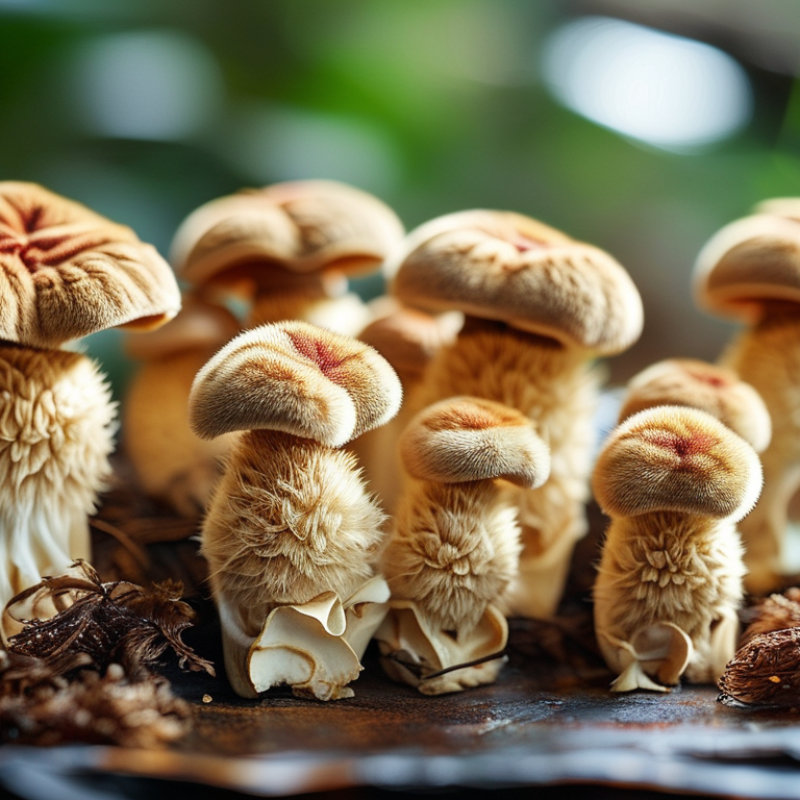
Lion’s Mane mushroom extract comes from Hericium erinaceus, a white, cascading mushroom used in traditional food practices. Manufacturers usually concentrate its soluble compounds through hot-water extraction, alcohol extraction, or both. The finished powder may contain beta-glucans, hericenones, and erinacines, depending on the mushroom part and process.
Demand is growing because consumers connect Lion’s Mane with cognitive wellness, stress support, and healthy aging. Evidence is promising, but not conclusive. It is not magic. Research results can differ because extracts use different species, growing materials, and concentrations. Some products use fruiting bodies, while others rely mainly on mycelium. That distinction matters when comparing suppliers.
For buyers reviewing China’s top Lion’s Mane extract suppliers, technical documents should come before attractive packaging. Ask for the Latin species name, extraction ratio, beta-glucan method, moisture level, and a recent certificate of analysis. Independent testing should address heavy metals, microbes, pesticides, and undeclared fillers. Testing matters. A clear batch number and traceability record also help connect a sample to its production history. In practical sourcing, the cheapest quote can become expensive after inconsistent color, weak solubility, or missing documents appear. Even experienced buyers can overlook seasonal raw-material changes. A small pilot order, retained sample, and repeat test provide a more realistic view of quality than one impressive specification sheet.
Choosing among China’s top ten lion’s mane extract suppliers requires more than comparing prices. A polished website proves very little. Ask where the mushrooms grow, whether they are fruiting bodies or mycelium, and how each batch is identified. Request a recent certificate of analysis for every lot. It should show beta-glucan content, moisture, microbial limits, heavy metals, pesticides, and extraction details. Do not accept “polysaccharides” alone as proof of quality. That term can include compounds unrelated to the desired mushroom profile.
Reliable suppliers explain their extraction method clearly. Hot-water extraction, dual extraction, carrier materials, and concentration ratios should appear in technical documents. Independent laboratory testing matters. Check the laboratory’s accreditation and report date. Ask for retained samples, production records, and stability data under realistic storage conditions. The powder should arrive with a consistent color, fine texture, and clean earthy smell. Small details often reveal weak process control.
A serious evaluation also includes a factory audit, either in person or through a qualified third party. Review hygiene, raw-material storage, pest control, calibration records, and staff training. Verify certifications instead of trusting logos copied into a brochure. Traceability should follow the material from farm or cultivation room to sealed carton. Response quality is another useful test. Can the supplier answer technical questions without vague promises? I would record missing documents rather than ignore them. No supplier file is perfect, and a low price can still become expensive after rejected testing, delayed shipments, or inconsistent batches.
China’s Top 10 Lion’s Mane Mushroom Extract Suppliers
China’s top ten Lion’s Mane mushroom extract suppliers should be judged by evidence, not attractive websites. Reliable manufacturers can identify the mushroom species, cultivation location, and extraction method. They should also provide recent certificates of analysis for each production batch.
Look for clear beta-glucan testing, heavy-metal screening, microbial results, and pesticide controls. A useful supplier can explain whether the extract uses fruiting bodies, mycelium, or both. This detail affects product positioning and quality expectations. Production records should connect the finished powder to a specific harvest and processing date. Factory audits, GMP-style procedures, and stable packaging also matter. A glossy certificate alone is not proof. That mistake is easy to make.
Tips: Request a small sample before discussing large orders. Compare its color, aroma, solubility, and laboratory data. Check whether the stated beta-glucan level matches the test method. Ask for allergen information and storage conditions. Review communication speed, because unclear answers may create expensive delays. I would also request two batches, not one. Results can vary more than suppliers admit. Pricing deserves careful attention, but unusually low quotes often require closer inspection. A dependable supplier welcomes practical questions, admits limitations, and keeps specifications consistent from sample to shipment.
| Rank | Supplier Profile | Primary Material | Extraction Method | Common Beta-Glucan Specification | Available Formats | Typical Quality Documents | Best-Fit Application |
|---|---|---|---|---|---|---|---|
| 1 | Fruiting-Body Specialist | Cultivated Hericium erinaceus fruiting bodies | Hot-water extraction | Usually specified at 20%–50% polysaccharides or beta-glucans, subject to test method | Brown powder; standardized powder | COA, microbiology, heavy metals, pesticide screening | Capsules, tablets, and powdered supplements |
| 2 | Dual-Extraction Specialist | Fruiting bodies or blended mushroom material | Hot-water and ethanol dual extraction | Beta-glucan declaration required; alcohol-soluble compounds may be separately documented | Dry extract; liquid concentrate | COA, solvent-residue report, stability data, allergen statement | Premium dietary supplements and functional beverages |
| 3 | Organic-Certification Supplier | Certified-organic cultivated fruiting bodies | Hot-water extraction and spray drying | Commonly offered as a specification range rather than a fixed universal value | Organic powder; bulk extract | Organic certificate, COA, traceability records, contaminant testing | Certified-organic and clean-label products |
| 4 | Mycelium-Based Supplier | Hericium erinaceus mycelium grown on a grain or liquid substrate | Water extraction or milling | Specification must identify beta-glucans separately from total polysaccharides | Mycelium powder; granules | COA, substrate declaration, microbiology, identity testing | Value-oriented powders and blended formulas |
| 5 | High-Concentration Extract Supplier | Fruiting-body biomass | Concentrated aqueous extraction | Extract ratios such as 8:1 or 10:1 may be quoted; ratio alone does not prove potency | Concentrated powder; sachet-grade powder | COA, extract-ratio records, moisture, microbial and heavy-metal reports | Small-dose capsules and stick packs |
| 6 | Food-Grade Bulk Supplier | Dried Hericium erinaceus fruiting bodies | Water extraction or direct powdering | Batch-specific beta-glucan or polysaccharide testing recommended | Bulk powder; food premix | Food-grade COA, microbiology, moisture, foreign-matter control | Drink mixes, soups, snacks, and functional foods |
| 7 | Private-Label Manufacturing Supplier | Fruiting-body extract or blended mushroom formula | Hot-water extraction; finished-product blending | Formula-dependent; target levels must be confirmed in the finished-product specification | Capsules, tablets, gummies, and powders | COA, finished-product testing, packaging specifications, batch records | Brand owners seeking contract manufacturing |
| 8 | Export-Documentation Supplier | Cultivated fruiting bodies or standardized extract | Hot-water or dual extraction | Buyer-defined beta-glucan specification with batch release testing | Bulk powder; lined fiber drums; private-label packs | COA, commercial invoice, packing list, origin and export documents | International distributors and importers |
| 9 | Analytical-Testing Focused Supplier | Fruiting-body extract with defined identity criteria | Controlled aqueous extraction | Beta-glucan assay method and laboratory basis should be stated on the COA | Standardized powder; laboratory samples | COA, identity testing, beta-glucan assay, heavy metals, pesticides | Regulated markets and quality-sensitive formulations |
| 10 | Custom-Formulation Supplier | Fruiting-body extract blended with other functional ingredients | Aqueous extraction followed by custom blending | Final specification depends on the blend ratio and validated assay | Powder blends, capsules, tablets, and liquid formats | COA, formula specification, stability information, allergen declaration | Customized nutraceutical and functional-food products |
Note: Supplier capabilities, specifications, certifications, minimum order quantities, and test results should be verified against current batch documentation before purchase. Beta-glucan and polysaccharide values are not interchangeable and depend on the analytical method used.
When comparing the China top 10 lion’s mane mushroom extract suppliers, product quality deserves more than a bright label. Check the mushroom species, extraction ratio, beta-glucan content, and raw material source. A reliable supplier should provide recent third-party laboratory reports. These reports should test identity, heavy metals, microbes, pesticides, and active compounds. Ask whether the extract comes from fruiting bodies, mycelium, or both. The difference can affect composition and customer expectations. It is easy to overlook.
Certifications support trust, but certificates must match the actual factory and product. Look for GMP, ISO, HACCP, organic approval where applicable, and traceability records. Pricing should be compared by active content, not simply by price per kilogram. A cheaper powder may contain fewer measurable compounds or require larger serving sizes. Request samples, batch documents, stability information, and packaging details before placing a bulk order. Professional suppliers usually answer technical questions clearly, although communication quality can vary during busy seasons.
Tips: Compare three sample batches, not one. Verify test dates and laboratory names. Ask about minimum order quantities, lead times, private labeling, and replacement policies. A responsive service team can prevent costly delays, especially when export documents need correction. Factory visits or live video inspections may reveal storage conditions and production discipline. Still, no document replaces independent verification. Claims about cognitive or medical benefits require careful wording and appropriate evidence. Suppliers should not promise unrealistic results.
Choosing among China’s top 10 lion’s mane mushroom extract suppliers requires more than comparing prices. Supplier quality depends on species identity, cultivation control, extraction design, and documentation. Grand View Research’s 2024 medicinal mushroom market analysis identifies growing demand for functional mushroom ingredients, but lion’s mane data remains less consistent across reports. That gap deserves caution. Ask each supplier for the Latin name, growing substrate, extraction ratio, beta-glucan level, and test method.
A reliable supplier should provide recent certificates from independent laboratories. Check heavy metals, pesticides, microbes, moisture, and undeclared fillers. ISO 22000, HACCP, or GMP systems can support process control, but certificates alone prove little. Review their audit scope and expiry dates. The U.S. Pharmacopeia and AOAC publish recognized analytical methods, yet mushroom-specific testing may still vary. Request a retained sample from the same production lot. Compare its color, aroma, solubility, and laboratory results. I would avoid selecting the cheapest offer. Low prices sometimes hide weaker raw material or inconsistent extraction. Still, even experienced buyers can misjudge a polished factory visit.
Tips: Build a scorecard before contacting suppliers. Give quality evidence the highest weight. Confirm whether the quoted price includes testing, packaging, and export documents. Start with a small pilot order, then test a second lot. Record every result. A supplier that answers clearly is not always perfect, but vague answers are a serious warning.
Nexia Medical
2255 Glades Rd
Boca Raton, FL 33431
Copyright 2017 Nexia Medical | All Right Reserved.