2026 Top Spinal Support Systems for Global Buyers?
Global demand for Spinal support systems is shaped by rising back pain, ageing populations, and workplace injury prevention. The World Health Organization reported that 619 million people experienced low back pain in 2020. It projects more than 800 million cases by 2050. These figures create a serious need for better assessment, fitting, and long-term care.
This market includes lumbar braces, spinal orthoses, posture supports, and rehabilitation devices. However, support is not automatically treatment. The WHO’s 2023 guideline recommends personalized, non-surgical care rather than routine dependence on passive devices. Fit matters. So does movement.
Professor Peter O’Sullivan, a leading spinal pain researcher, states, “Pain is not a reliable indicator of damage.” His warning is important for global buyers comparing products across different healthcare systems. A rigid brace may stabilize a vulnerable segment, while an unsuitable design may restrict movement, irritate skin, or encourage overuse. Comfort is not enough.
The Global Burden of Disease study and WHO reports provide strong evidence about the scale of spinal conditions. They provide less certainty about every commercial support product. That gap deserves attention. Buyers should examine clinical evidence, material durability, adjustability, cleaning requirements, and regulatory documentation. ISO 13485 certification can support quality management, but it does not prove that every product benefits every patient.
This guide compares leading systems for international procurement. It considers evidence, usability, supply reliability, and patient safety. Some rankings may remain debatable. That is unavoidable. Better decisions begin with honest limits, accurate measurements, and qualified clinical advice.
What Are Spinal Support Systems and Who Needs Them?
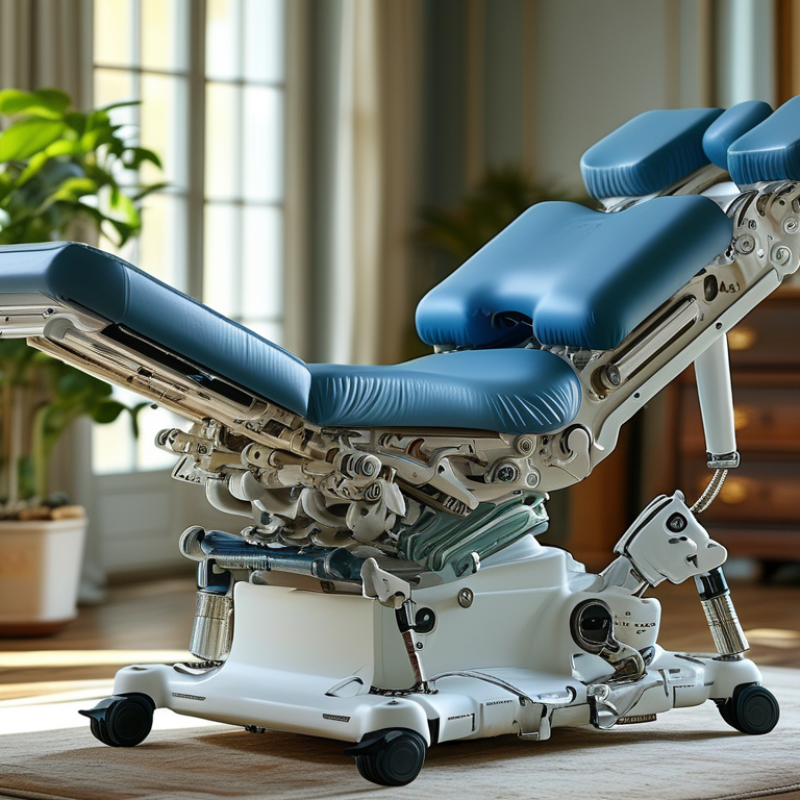
Spinal support systems are devices and care tools that help stabilize, align, or unload the spine. They may include braces, supportive seating, positioning cushions, lifting aids, and adjustable beds. Their purpose is not to “fix” every back problem. Support should match the person, condition, and daily task.
People recovering from spinal injury or surgery may need temporary stabilization under clinical guidance. Individuals with persistent back pain, weakness, balance problems, or movement limitations may also benefit from carefully selected support. Older adults, wheelchair users, and workers who sit or lift for long periods can need additional positioning help. A warehouse worker might require lumbar support during repeated lifting, while an office user may need a chair adjustment after six hours at a desk. Caregivers also need safer transfer equipment.
Fit matters greatly. A brace that feels tight may restrict breathing, skin circulation, or natural movement. A cushion that feels soft may provide poor pelvic stability. Check pressure points, fastening strength, washable materials, size ranges, and adjustment instructions. Buyers should request clinical specifications, user testing information, and clear maintenance guidance. Local medical-device rules and professional fitting requirements also deserve attention.
Small details matter. Recheck the fit regularly. Bodies change. A support system should be reviewed by a qualified clinician when pain increases, numbness appears, skin becomes irritated, or movement worsens. Evidence is sometimes limited, and no device works equally well for every user. That uncertainty should be discussed openly.
2026 Top Spinal Support Systems for Global Buyers
What Are Spinal Support Systems and Who Needs Them?
Spinal support systems include lumbar braces, posture-support devices, rehabilitation supports, and other non-invasive products designed to stabilize or reduce loading on the spine. They may be considered by people with low back pain, spinal instability, sports-related strain, post-operative recovery needs, or physically demanding work requirements. Clinical assessment should guide product selection and use.
Data source: World Health Organization, “Low back pain,” 19 June 2023. WHO estimates that 619 million people experienced low back pain in 2020, with cases projected to reach 843 million by 2050.
Which Spinal Support Technologies Are Leading the 2026 Market?
In 2026, spinal support technology is moving beyond rigid immobilization.
Dynamic braces now provide controlled movement while limiting painful bending and rotation. Clinicians can adjust tension as swelling, posture, or recovery changes. This matters during long work shifts and daily walking.
Sensor-integrated supports are gaining attention among rehabilitation teams.
Small pressure and motion sensors can track brace use, trunk alignment, and loading patterns. Clinicians may review this information during follow-up visits. A patient who leans forward repeatedly can receive more precise guidance. However, sensor data is not a diagnosis. Poor placement can create misleading readings.
Three-dimensional imaging is also improving custom support design.
Scans can capture shoulder height, waist shape, and spinal curvature more accurately than manual measurements alone. Lightweight thermoplastic materials may reduce heat and skin pressure. Breathable liners help, but they are not perfect. Sweat, movement, and incorrect fitting can still cause discomfort. Reliable systems should include documented testing, clear adjustment instructions, and professional fitting. Buyers should examine clinical evidence, material safety, cleaning requirements, and service support before purchasing. A strong design can fail when users cannot maintain it properly.
How to Compare Support, Comfort, Safety, and Adjustability
For global buyers, spinal support systems should be compared by function, not appearance. The World Health Organization reported 619 million people experienced low back pain in 2020. That figure may reach 843 million by 2050. A useful system should support posture without forcing the spine into one rigid position.
Check support through the adjustment range. Can the user tighten it while seated? Do the panels stay stable during walking, lifting, or long desk work? Comfort depends on more than soft fabric. Look for breathable contact areas, smooth seams, balanced pressure, and manageable weight. Safety needs equal attention. A product should provide clear fitting instructions and warning signs, such as numbness, skin discoloration, or restricted breathing. The 2016 Cochrane review found uncertain evidence that lumbar supports prevent low back pain. Support is not a cure.
Tips: Measure the user in normal clothing. Test the system for 30 minutes, then inspect pressure marks. Ask for material specifications, cleaning guidance, and independent test records. Check whether trained fitting support is available across target markets. Do not trust adjustability claims without examining the actual straps, buckles, and locking points. No scorecard is perfect. A small fitting error can outweigh impressive laboratory data.
What Standards and Certifications Matter to Global Buyers?
For global buyers, spinal support systems should be judged by evidence, not polished product images. ISO 13485 certification shows that the manufacturer follows a controlled medical device quality system. It does not prove that every product is safe or effective. Buyers should request the certificate scope, issuing body, expiry date, and covered manufacturing site.
Risk control matters. ISO 14971-based files should identify hazards such as pressure injury, migration, material failure, and incorrect sizing. For skin-contacting components, ISO 10993 biological evaluation can support material safety decisions. Mechanical testing should reflect real use, including repeated loading, adjustment cycles, and temperature changes. Ask for complete test reports, not only summary tables.
Regulatory routes depend on the destination market. In the European Union, buyers should verify MDR conformity, technical documentation, clinical evaluation, and applicable CE marking requirements. In the United States, clearance may be required, but FDA clearance is not the same as certification. Powered systems may also need electrical safety and electromagnetic compatibility testing under relevant IEC standards. Packaging validation, sterilization evidence, labeling, and traceability deserve equal attention. Check the UDI and lot information.
Details reveal maturity.
I have seen documents that looked complete but lacked test conditions or sample sizes. That gap should trigger questions. Certificates can expire. Suppliers can change materials quietly. A reliable sourcing process includes factory audits, batch records, complaint data, and written change-notification terms. No single certificate replaces technical judgment.